Have you ever seen a movie landscape that looks so unreal you assume it must be CGI? Towering stone pillars floating in mist, forests suspended in the clouds, mountains that seem to defy gravity. Now imagine standing inside that scene.
Welcome to Zhangjiajie National Forest Park, in China’s Hunan Province—a place that looks less like Earth and more like a forgotten planet. For many first-time visitors, the reaction is the same: “Wait… this is real?” —— This China Zhangjiajie travel guide will take you through the landscapes, experiences, and flavors that make this destination one of Asia’s most unforgettable bucket-list trips.
First Impressions of Zhangjiajie: When Fantasy Becomes Real
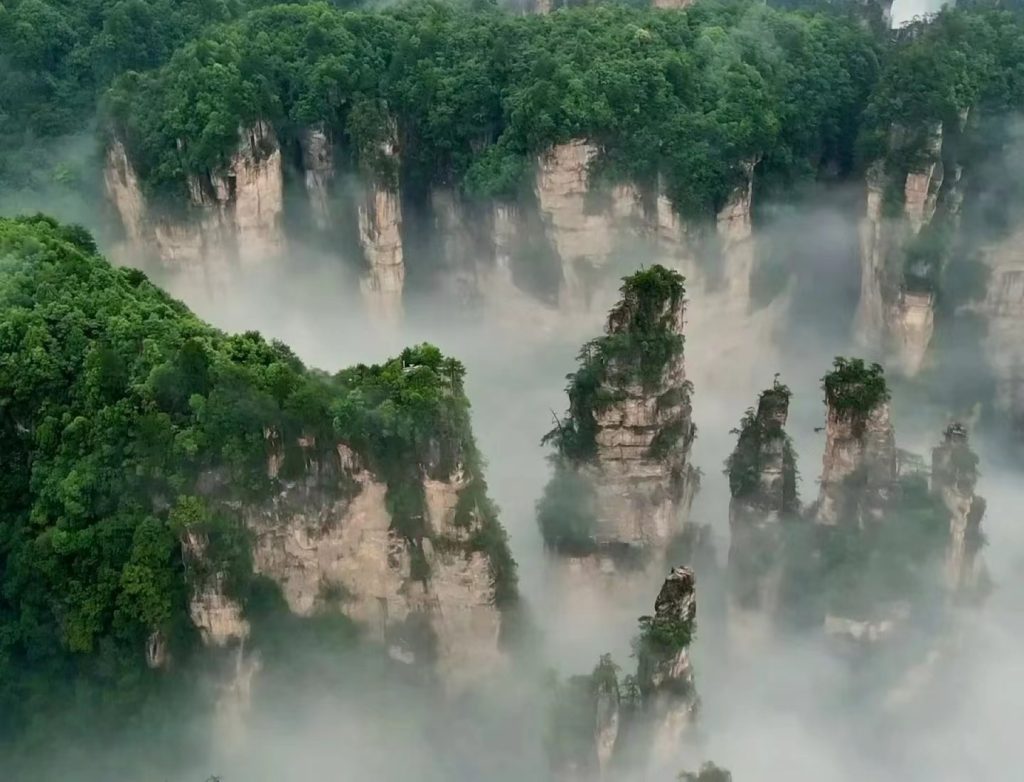
The moment you arrive in Zhangjiajie, one thing becomes clear: this is not a city of skylines and concrete. Instead, your eyes are drawn upward—to hundreds, even thousands, of vertical stone pillars rising straight from the forest floor. These dramatic formations are made of quartz sandstone, shaped by millions of years of wind, rain, and geological movement. Many reach 200 to 400 meters high, with trees growing on their flat tops and clouds drifting lazily around their bases.
Globally, this type of landscape is incredibly rare. It doesn’t just look beautiful—it looks impossible. Visitors often describe Zhangjiajie as:
“Like another planet”
“Unreal in the best way”
“A real-life fantasy world”
It’s no surprise that this scenery inspired the floating mountains in Avatar. But standing here, you realize the movie didn’t exaggerate—if anything, it held back.
Zhangjiajie National Forest Park: The Heart of the Experience
If Zhangjiajie is the dream, then Zhangjiajie National Forest Park is its core. This vast protected area is the main reason travelers come, and it easily deserves at least two full days. The park is large but well-organized, with eco shuttle buses, cable cars, elevators, and walking trails connecting different zones.
(1)Yuanjiajie: Walking Inside Avatar
Yuanjiajie is the park’s most famous area—and for good reason. This is where the resemblance to Avatar becomes undeniable. The iconic “Avatar Hallelujah Mountain” (officially known as Qiankun Pillar) stands tall among a sea of stone peaks. After rain, when mist wraps around the columns, the scene feels almost suspended in midair.
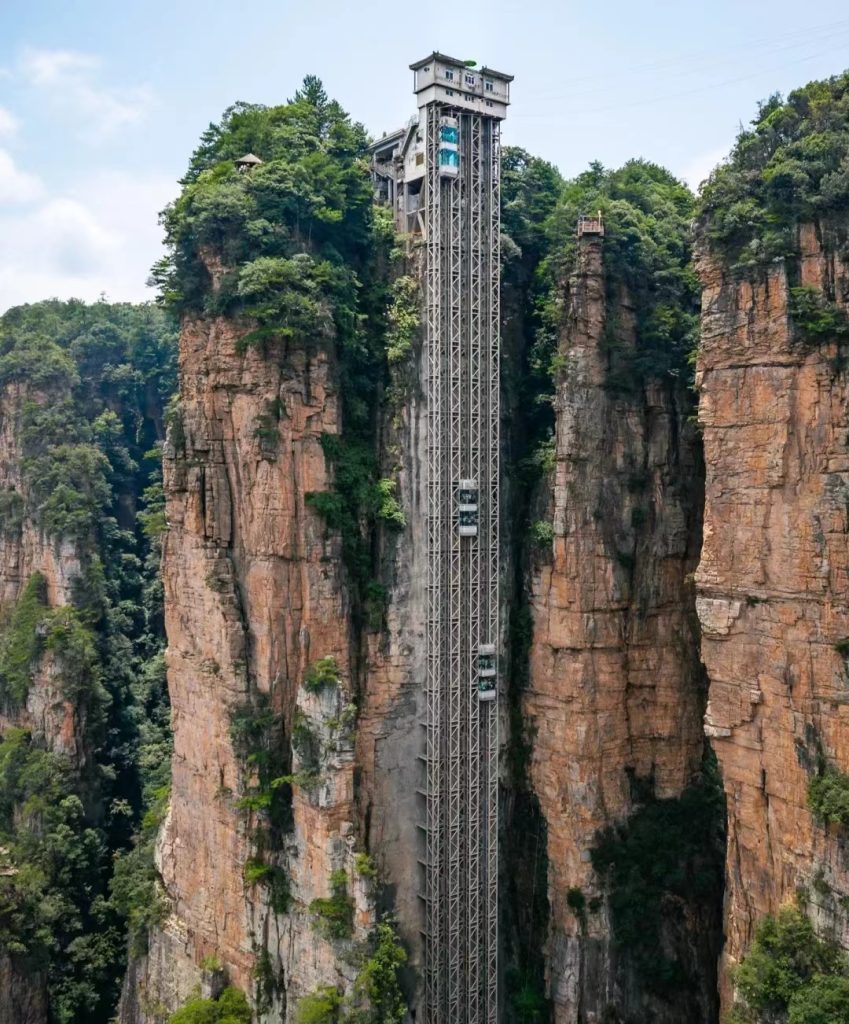
Most visitors reach Yuanjiajie via the Bailong Elevator, one of the world’s tallest outdoor glass elevators. As it ascends, the forest drops away and the pillars slowly reveal themselves—layer by layer. This area doesn’t require historical or cultural context to appreciate. The visual impact is immediate, universal, and overwhelming.
(2)Tianzi Mountain: Wide Horizons and Endless Stone Peaks
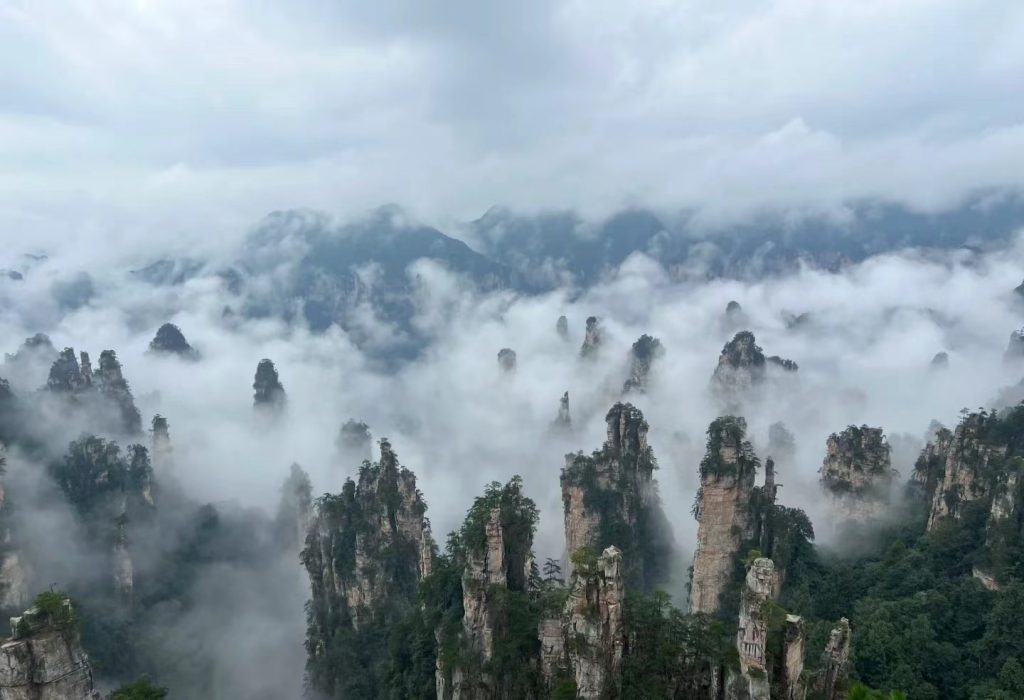
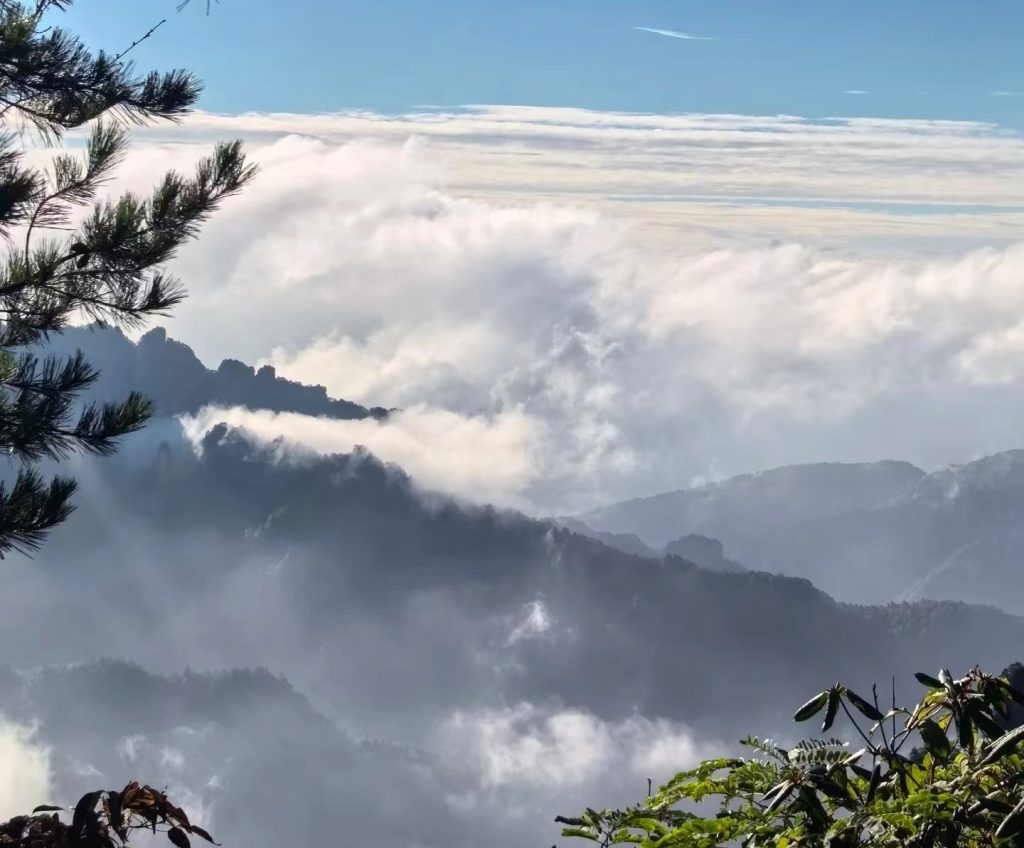
If Yuanjiajie feels dramatic and vertical, Tianzi Mountain feels open and cinematic. Many of the classic sunrise shots, sea-of-clouds photos, and panoramic Zhangjiajie images you’ve seen online were taken here. The walking paths are relatively gentle, and the views unfold slowly. Then, suddenly, at an unassuming turn in the trail, the landscape explodes outward.
What you see is not one mountain, but an entire stone forest—countless peaks rising from deep valleys, separated by mist into foreground, middle ground, and distant layers. The scale is quiet but immense. With wind moving through pine trees and birds calling in the distance, Tianzi Mountain reminds you that this is not just a viewpoint—it’s a living ecosystem.
(3)Golden Whip Stream: The Most Relaxing Walk in Zhangjiajie
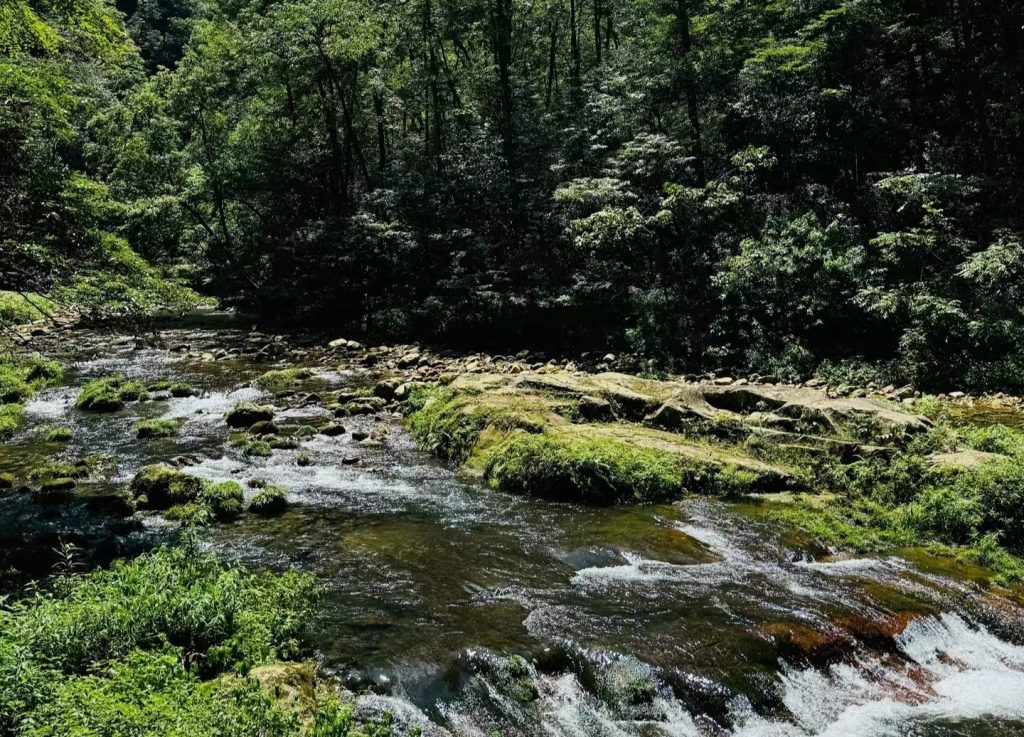
For a slower pace, Golden Whip Stream offers one of the most pleasant valley walks in the park. This mostly flat trail follows a clear stream through dense forest, with towering rock walls on both sides. Water flows constantly, light filters through the trees, and the atmosphere feels calm and untouched.
You may spot wild macaques along the way—curious but not tame. Admire them from a distance and avoid feeding them. Many Western travelers describe this walk as “hiking inside a fantasy movie set.” There’s no rush here. Stop whenever you like. Watch the water. Listen to the forest. This is Zhangjiajie at its most gentle.
Tianmen Mountain: Zhangjiajie’s Most Dramatic Chapter
If the national park feels like a slow-burning epic, Tianmen Mountain is pure drama.
(1)The Cable Car Ride
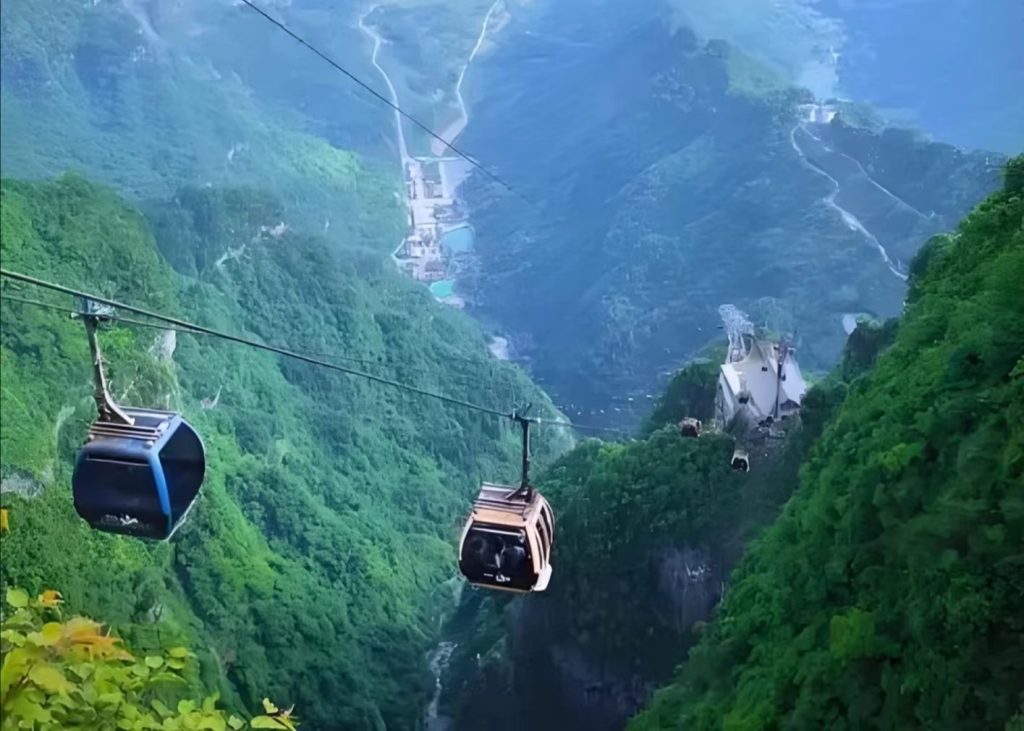
The journey begins with one of the longest cable car rides in the world, climbing from the city straight into the mountains. As you ascend, the air cools, the city disappears, and cliffs and forest take over. It’s not rushed or aggressive—more like a gradual transition from everyday life into something otherworldly.
(2)Tianmen Cave: A Gate in the Mountain
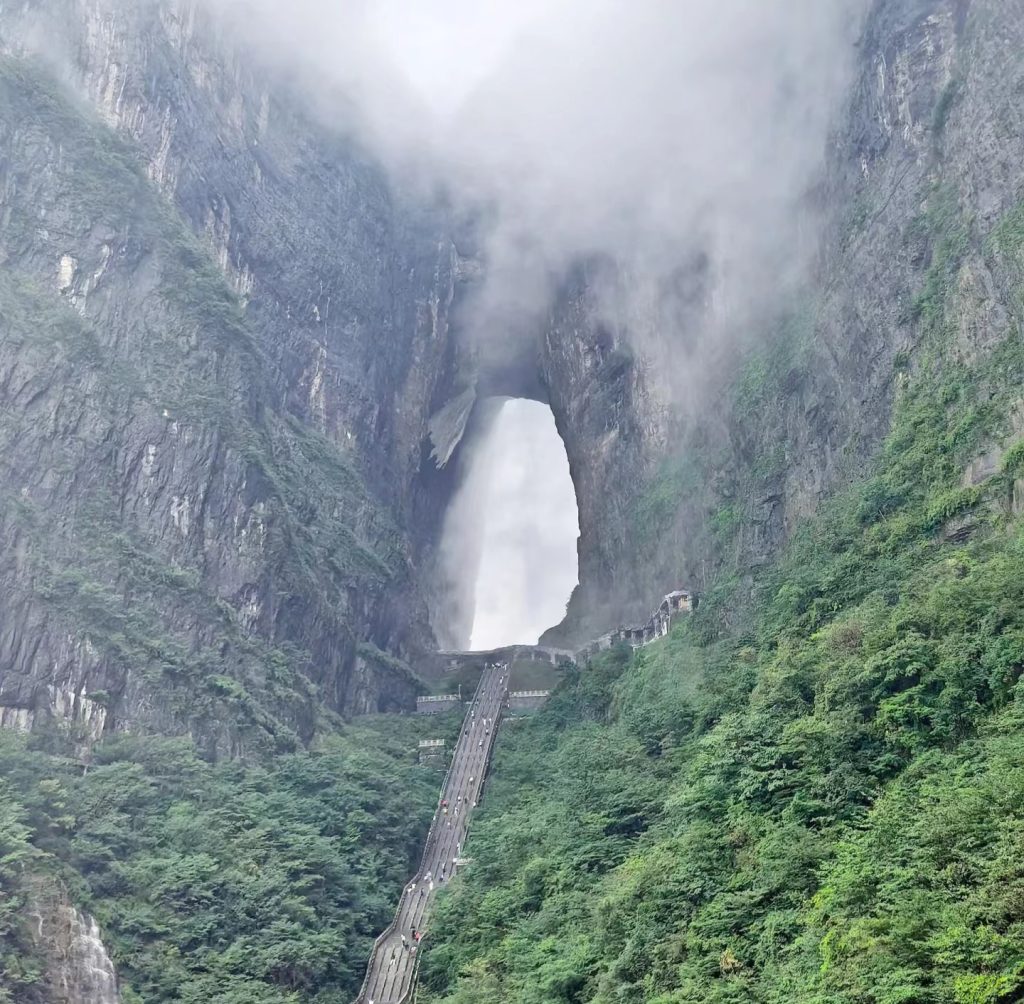
At the top, you’ll find Tianmen Cave, a massive natural arch carved directly through the mountain. This is not man-made. Nature simply removed part of the rock and left behind a gateway to the sky. Standing before it, scale becomes clear. People feel small. Sounds soften. Wind moves through the opening. Many visitors instinctively slow down, as if entering a natural sanctuary.
(3)Glass Walkway: Testing Your Nerves
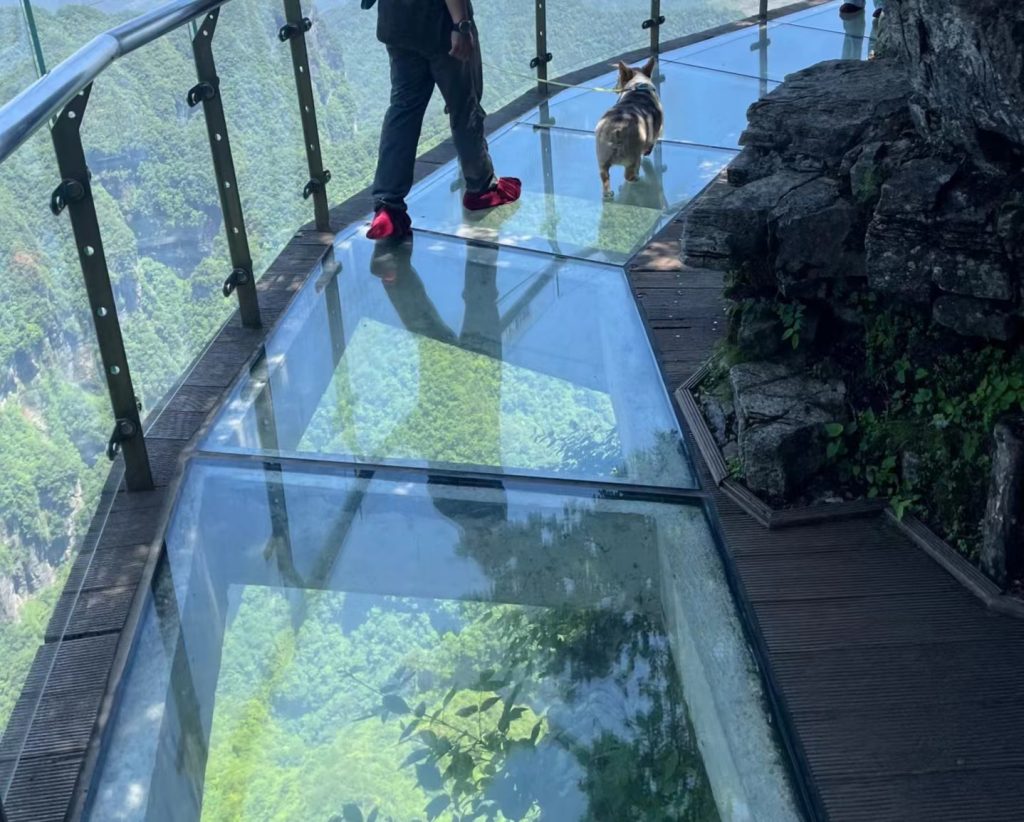
The Tianmen Mountain glass walkway hugs the cliff edge, with transparent panels beneath your feet and a sheer drop below. Despite its appearance, it’s extremely secure. What you’re really testing isn’t safety—it’s your comfort with height. For many, it’s less terrifying than expected, and surprisingly empowering.
Zhangjiajie Grand Canyon Glass Bridge
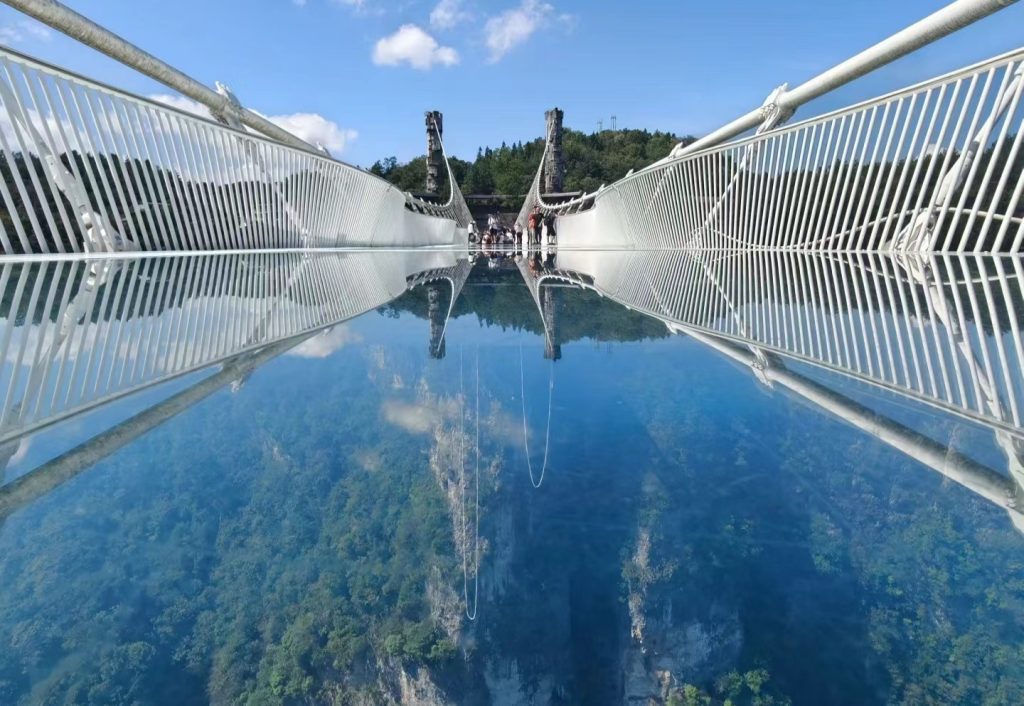
Suspended between two cliffs, the Zhangjiajie Grand Canyon Glass Bridge stretches across open air, offering uninterrupted views straight down into the canyon.
Here, the experience is physical. You don’t just see the landscape—you feel it beneath your feet. The bridge is stable and wide, designed for slow walking, photos, and quiet moments of awe. It’s not about fear; it’s about perspective.
Local Culture and Food: Grounding the Journey
Zhangjiajie isn’t only about scenery. The region is home to Tujia and Miao ethnic communities, whose traditions and flavors add warmth to the trip.
Tujia “Sanxia Guo” (Three Pot Stew)

A hearty local dish combining cured pork, intestines, or beef offal, cooked together in one pot. Salty, rich, and mildly spicy, it’s especially satisfying on cool or rainy evenings. For Western travelers, it’s bold but approachable—comfort food with character.
Smoked Pork and Mountain Vegetables

Curing and smoking meat is common in the surrounding mountains. The smoky flavor is strong but balanced when paired with fresh greens and rice. These dishes feel honest—not designed for tourists, but for local life.
Rice Noodles and Simple Stir-Fries
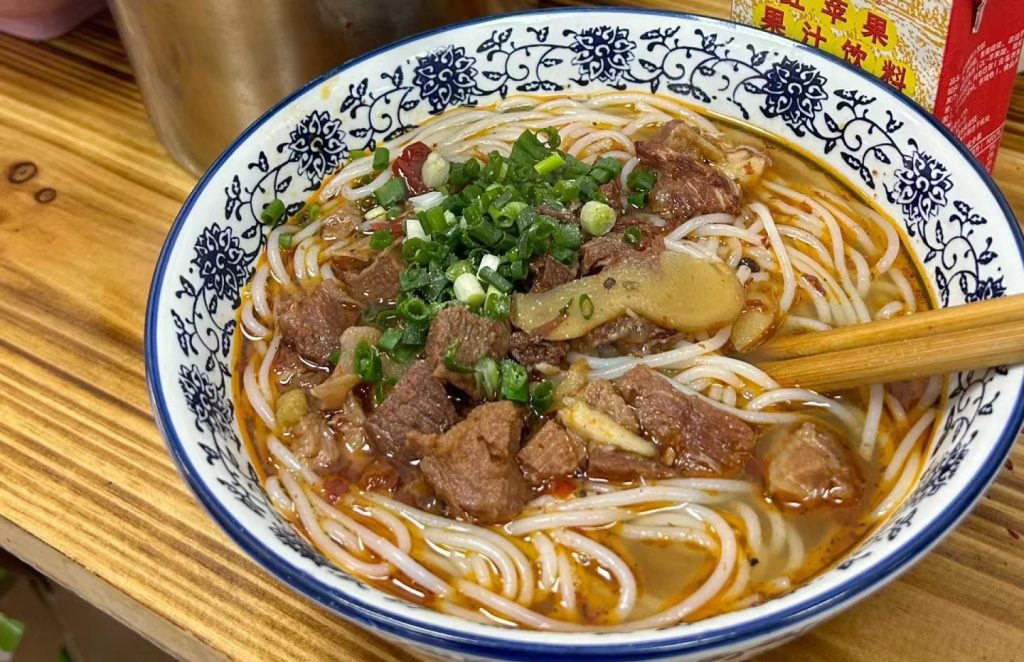
For lighter meals, local rice noodles are an easy win. Clear broth, optional chili, and simple toppings make them perfect for breakfast or brunch.
Best Time to Visit Zhangjiajie
Peak Season: July to October
Busy, lively, and crowded—especially during Chinese holidays. Great if you enjoy energy and social atmosphere.
Best Balance: April–June & September–November
Milder crowds, excellent visibility, and comfortable weather. These months offer some of the best things to do in Zhangjiajie without the stress.
For many travelers, Zhangjiajie is more than a destination—it’s a recalibration of what nature can look like. People often say: “I never thought real life could look better than a movie.”
Photos shared online are often met with the same reaction: “Is this even real?”
Yes. It is. Zhangjiajie is both real and surreal.
You don’t just visit mountains here—you step into a living fantasy.
And that’s what makes it unforgettable.