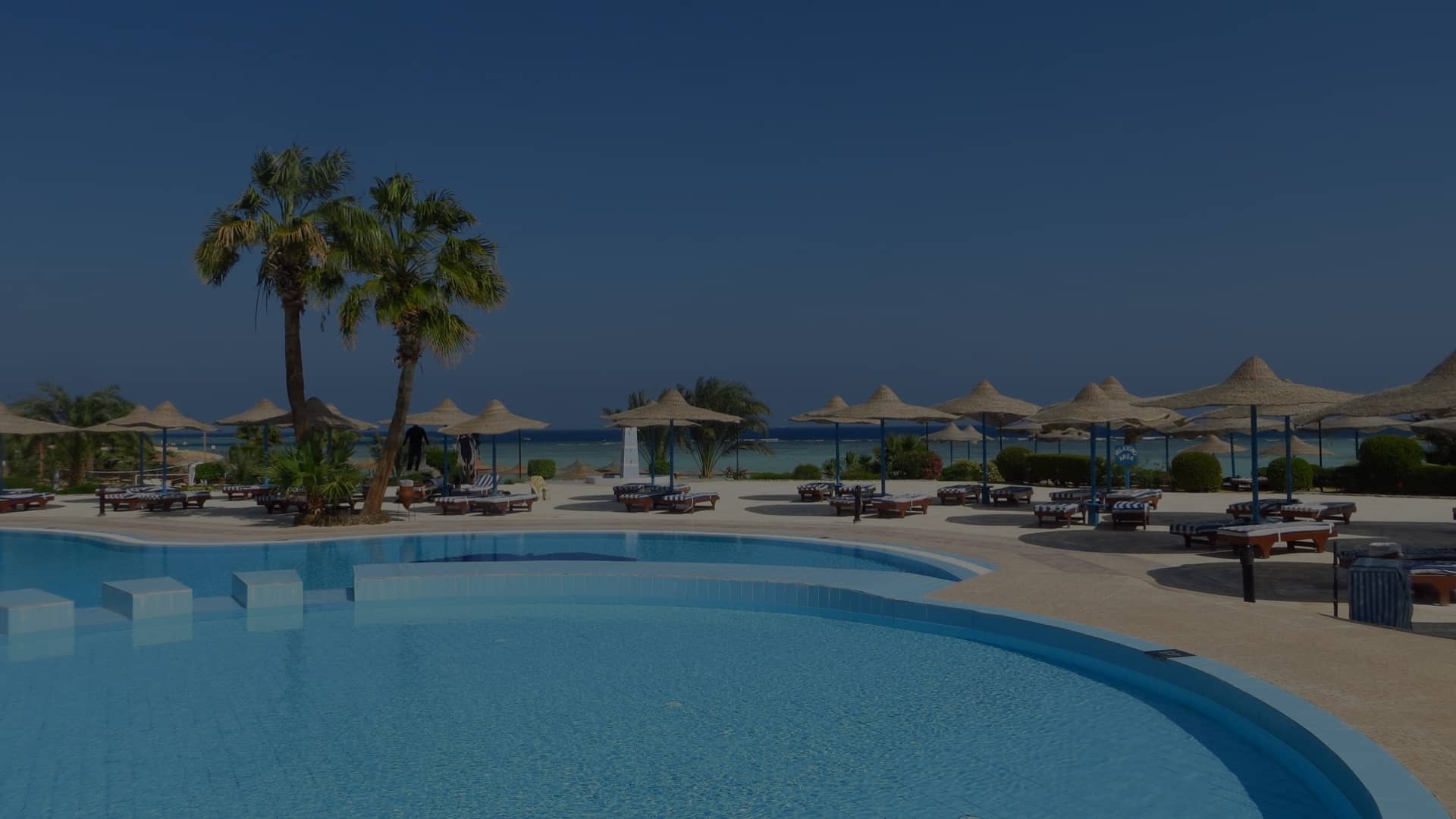
My first arrival in Jakarta happened on a bright afternoon—sun-drenched, humid, but surprisingly comfortable. The warm air outside the airport felt nothing like the chaotic image I had carried with me. As Indonesia’s capital, Jakarta is often treated as a stopover on the way to Bali or Yogyakarta. But once I stepped into the city itself, it became clear that Jakarta is quietly underrated—and far more rewarding than most travelers expect.
First Impression on Jakarta: Busy, but Surprisingly Orderly
Jakarta is a true megacity. Traffic is dense, streets are alive with movement, yet the city rarely feels out of control. I quickly got used to ride-hailing apps, and most drivers were polite, chatty, and genuinely helpful—making it easy to get around without stress.
Like many Western travelers have noted, sticking to central neighborhoods and popular districts comes with a strong sense of safety. In many ways, Jakarta feels familiar—less intimidating than expected, and more like other global cities than its reputation suggests. For first-time visitors, this sense of familiarity makes Jakarta an easy place to settle into.
National Monument (Monas): Understanding Jakarta from High Place

I chose Monas, the National Monument, as my first stop—and it turned out to be the right decision. From the ground, it’s simply a landmark. From the observation deck, Jakarta suddenly makes sense. Glass towers rise beside mosque domes, while green parks spread out below, softening the skyline. The city reveals itself as layered, planned, and far more balanced than its noisy streets suggest.
You don’t need to linger long here, but as a starting point for any Jakarta sightseeing itinerary, Monas sets the tone perfectly.
A Shortcut to Indonesia’s Diversity: Taman Mini Indonesia Indah
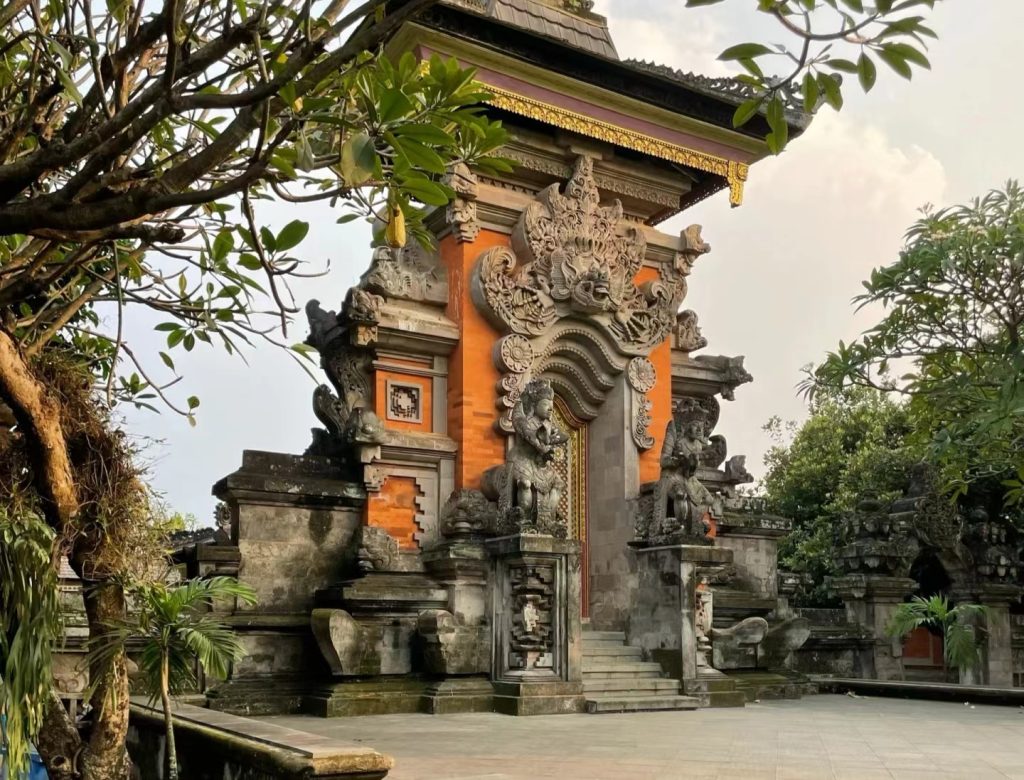
If there’s one place that explains Indonesia in a single day, it’s Taman Mini Indonesia Indah.
This expansive cultural park brings together traditional houses, costumes, and regional architecture from across the archipelago. Walking through it feels like taking a fast-track course in Indonesian culture—one that makes you realize how misleading it is to think of “Indonesia” as a single identity.
The park is spacious, clean, and popular with local families. For Western travelers new to Southeast Asia, it offers a relaxed yet meaningful cultural experience without feeling overwhelming. One of the most educational things to do in Jakarta for first-time visitors.
Breaking Stereotypes: Istiqlal Mosque
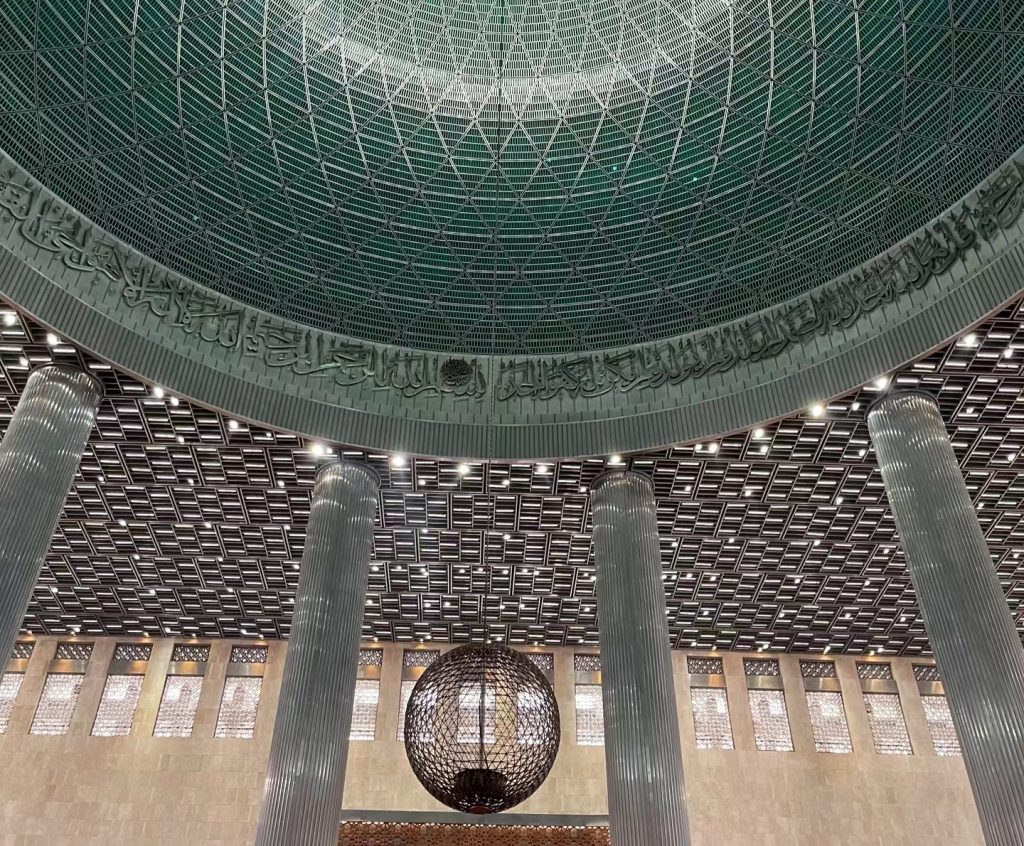
The place that stayed with me the longest was Istiqlal Mosque.
Yes, its scale is impressive—but what truly stands out is its openness. Volunteers welcome visitors with patience, explaining architectural details and religious traditions in a calm, friendly way.
Directly across the street stands Jakarta Cathedral. Seeing a mosque and a Catholic church facing each other so naturally changes how you understand the city. It’s a quiet but powerful reminder of Jakarta’s everyday coexistence.
Slowing Down in Jakarta: Old Town & Jakarta History Museum
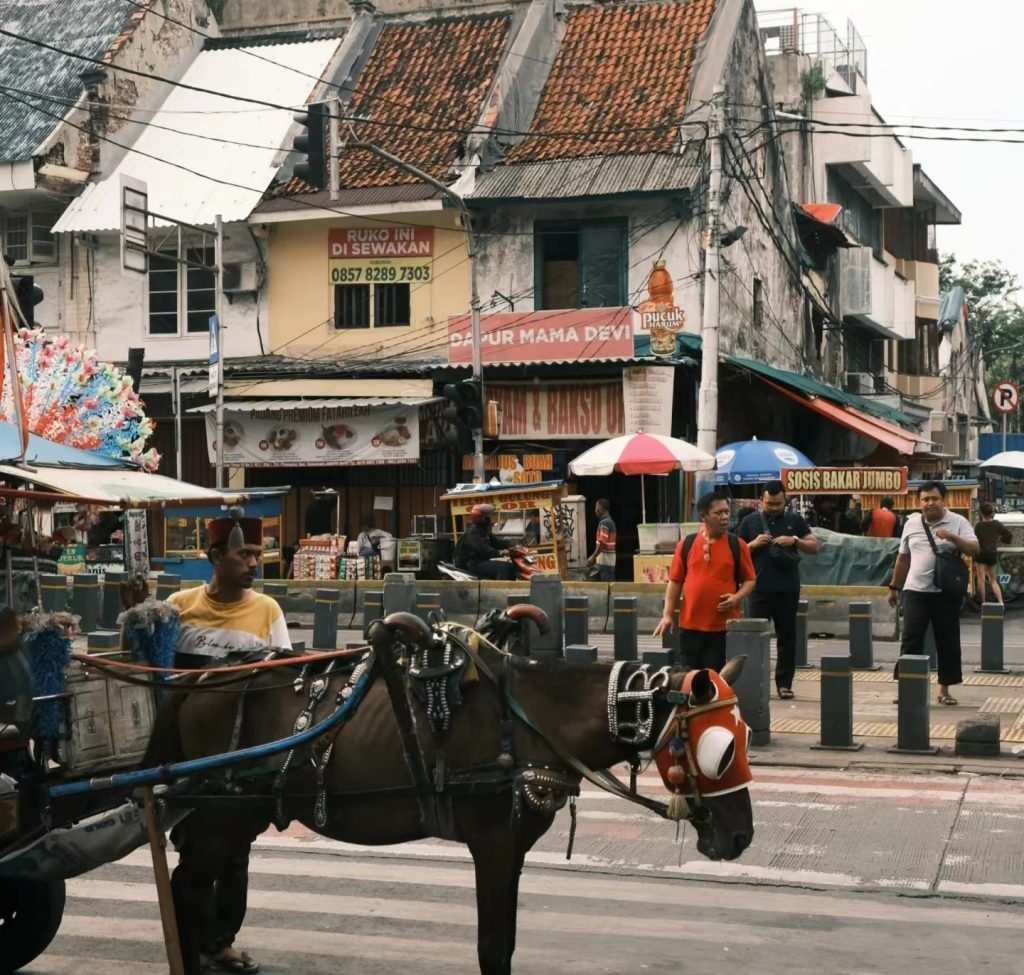
In Jakarta Old Town, where the Jakarta History Museum is located, time seems to slow. Dutch colonial buildings line the square, bicycles roll past street performers, and cafés invite you to sit longer than planned. This area is ideal for an unhurried half-day walk—no itinerary needed.
Just wander, pause, observe. You’ll discover a softer, more nostalgic side of Jakarta that contrasts beautifully with its modern energy.
Tasting the City: What to Eat in Jakarta
If there’s one way to connect with Jakarta instantly, it’s through food.
Satay skewers crackle over charcoal grills, filling the air with smoky peanut aromas. A plate of nasi goreng, topped with a fried egg and paired with mild sambal, is simple, comforting, and unforgettable.
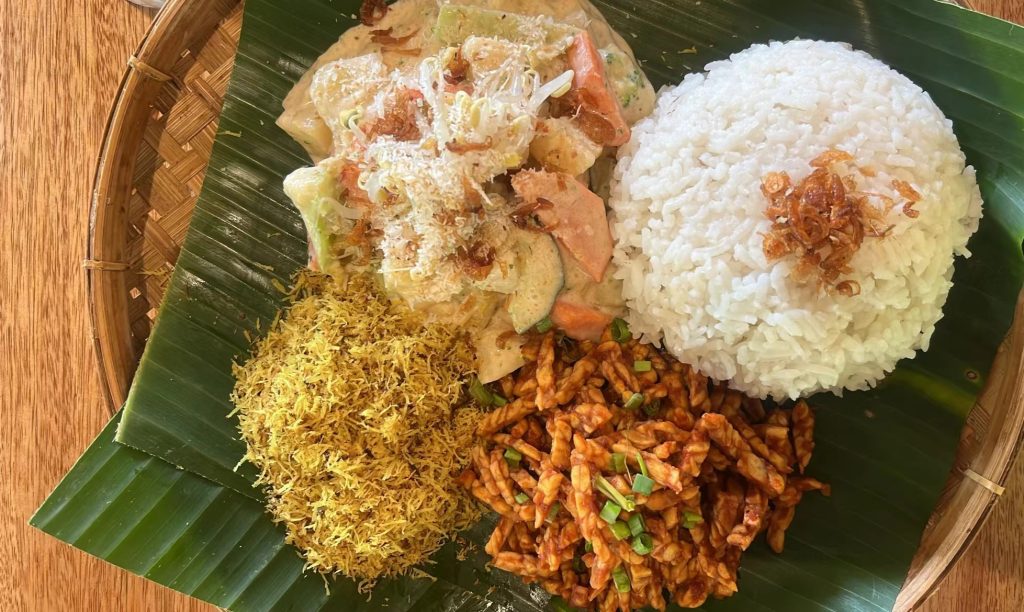
At night markets, you’ll also find coconut rice, fried bananas, and local sweets. Prices are affordable, the atmosphere relaxed. Stick to busy, clean stalls and you’ll eat well—and safely.
Jakarta isn’t the kind of city that dazzles at first glance. But it rewards patience. Once you walk its streets, sit in its old squares, share a street-side dinner, and hear the call to prayer echo at dusk, the city begins to open up. It feels gentler than the rumors suggest—and far more real. Give Jakarta two or three days. Move slowly. Let it respond in its own time.