
When people plan a trip to Japan, cities like Tokyo, Kyoto, and Osaka usually top the list. But if you’re looking for a quieter, more intimate experience—one that brings you closer to nature and Japan’s spiritual roots—Nara is a destination that truly surprises.
As one of Japan’s former capitals, Nara carries centuries of history with remarkable ease. Ancient temples sit beside leafy parks, and daily life unfolds at a gentle pace. For travelers seeking calm, culture, and authenticity, this Nara travel guide reveals why the city deserves a place on your Japan itinerary.
First Impressions of Nara: Where Calm Meets Timeless Beauty
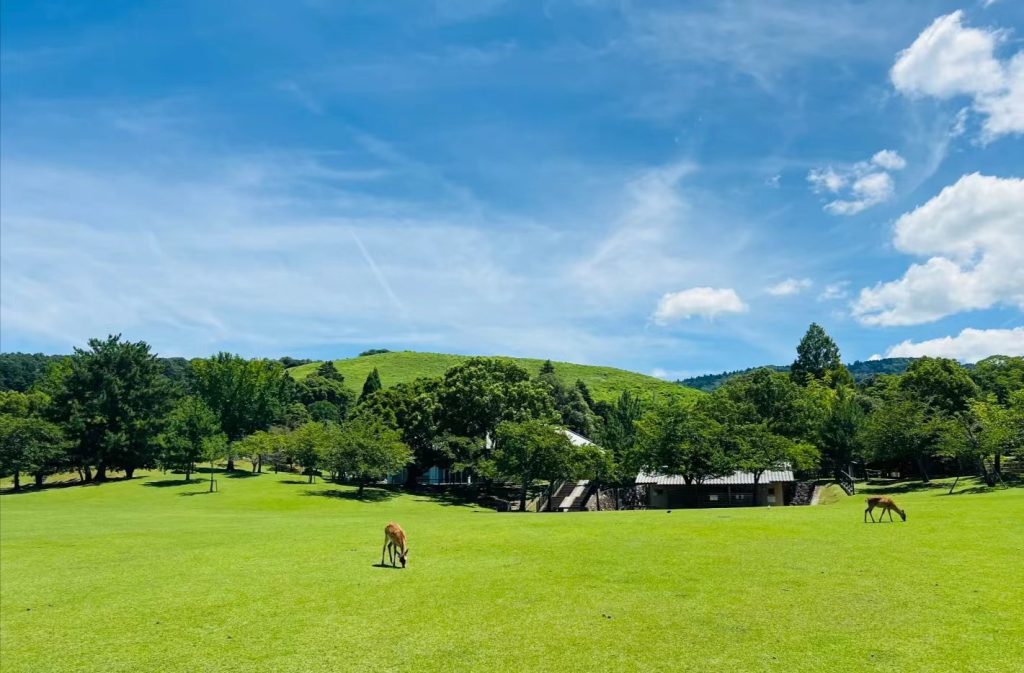
Getting to Nara is effortless. From Osaka, the train ride takes less than an hour, yet the atmosphere feels worlds away. The moment you arrive, the pace slows. Streets are quieter, locals greet you with warm smiles, and the air feels noticeably relaxed.
As you walk toward Nara Park, traditional wooden houses line the streets. Tiled roofs, narrow lanes, and small gardens hint at a past that never fully disappeared. Every corner feels lived-in rather than preserved, making Nara feel authentic rather than staged.
Nara Park: Getting Close to Japan’s Sacred Deer
It often feels like the entire city is one open park—and yes, there are deer everywhere.
Located in the heart of the city, Nara Park is home to around 1,200 freely roaming deer. These animals are considered sacred, believed to be messengers of the gods in local Shinto tradition. For visitors, interacting with them is one of the most memorable things to do in Nara.
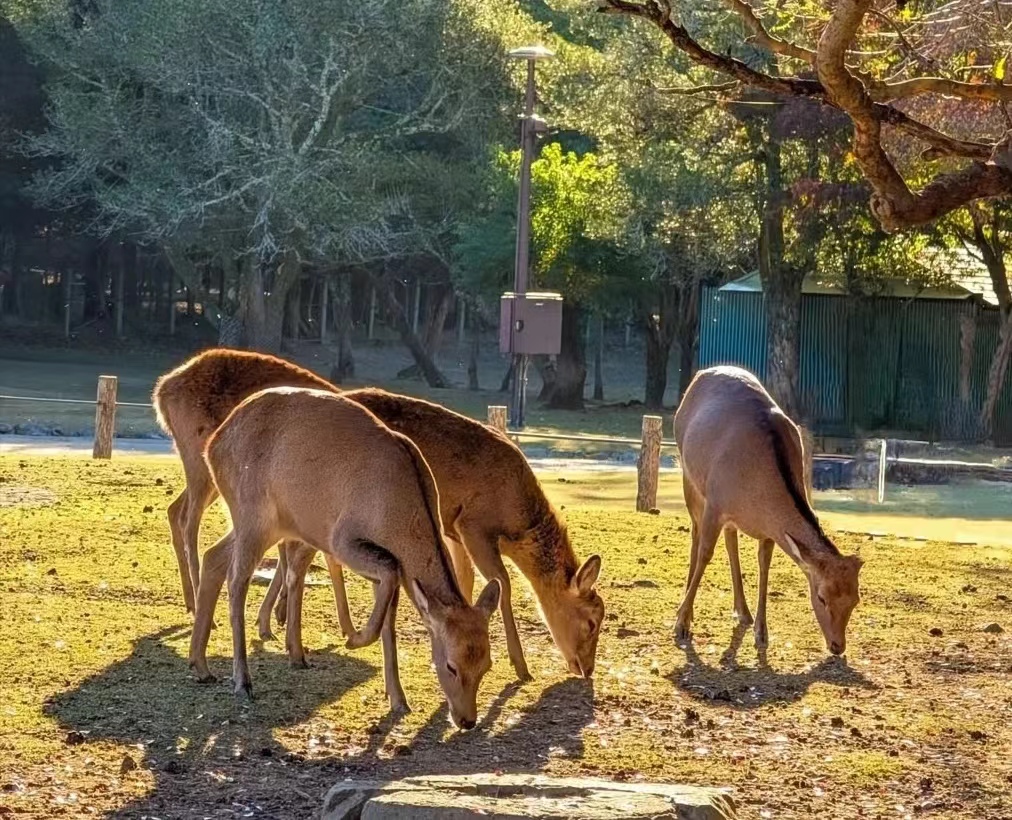
As I walked through the park, a deer passed quietly beside me. Its calm eyes felt almost gentle, and when I reached out, it didn’t shy away. Feeding the deer is a highlight here, using special shika senbei (deer crackers) sold around the park. Amazingly, many deer bow politely before asking for food—a moment that never gets old.
Tips for Feeding Deer in Nara Park
- Buy deer crackers if you want the full experience. Most deer are friendly and surprisingly well-mannered.
- Don’t hold crackers openly. Deer can smell them instantly and may crowd you. Keep them in your bag and take them out one at a time.
- Avoid large male deer with antlers. Female deer and younger ones are generally calmer.
- If a deer follows you, don’t run. Raise your hands to show you’re out of food, and it will usually walk away.
Todai-ji Temple: A Masterpiece of Japanese Heritage
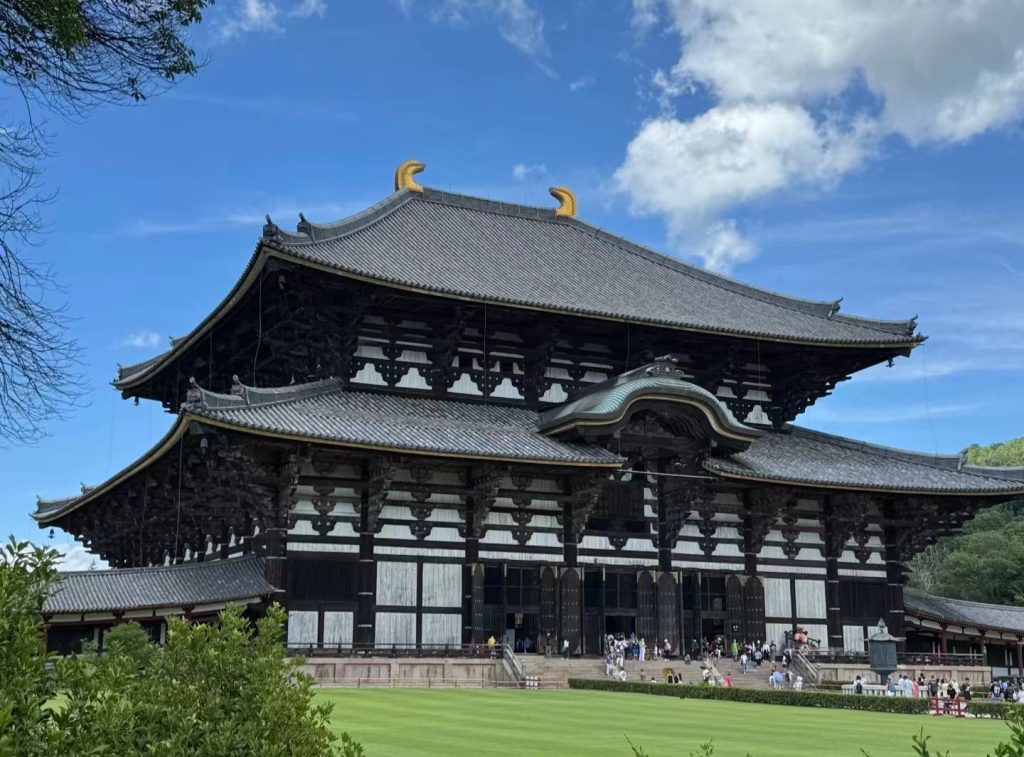
Just steps from Nara Park stands Todai-ji Temple, one of Japan’s most important cultural landmarks. Recognized as a UNESCO World Heritage Site, it houses the world’s largest wooden structure and one of Japan’s most iconic statues.
Inside the Great Buddha Hall sits the Daibutsu, a massive bronze Buddha standing about 15 meters tall. The scale is humbling, but the atmosphere is peaceful rather than overwhelming. Beyond its religious importance, Todai-ji offers a deep look into ancient Japanese architecture, craftsmanship, and spiritual life—making it an essential stop in any Japan travel guide.
Mount Yoshino: Cherry Blossoms and Seasonal Beauty
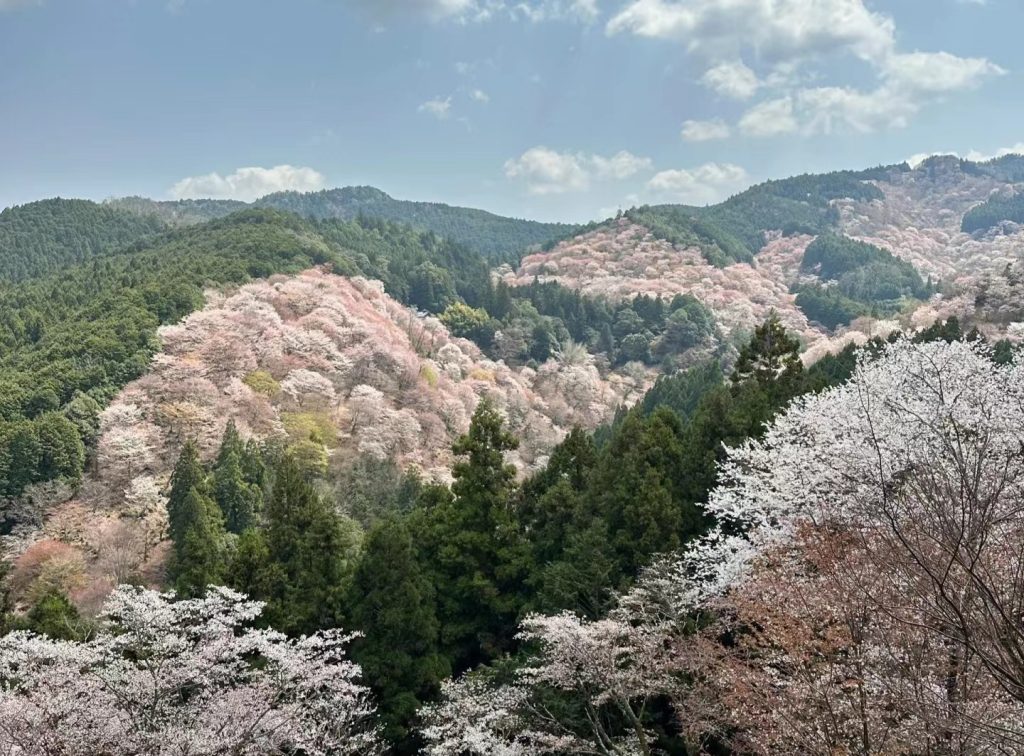

Mount Yoshino is legendary across Japan for its cherry blossoms. Every spring, thousands of sakura trees bloom across the mountainside, creating layers of soft pink that look almost unreal. A cable car ride makes the ascent easy, offering stunning views along the way.
Autumn is equally rewarding. Maple leaves turn brilliant shades of red and gold, weaving color through temples, stone paths, and quiet villages. If you’re planning your trip around seasonal highlights, Yoshino is one of the most rewarding things to do near Nara.
Mount Wakakusa: Nara’s Green Escape


For a more relaxed outdoor experience, Mount Wakakusa offers gentle hiking and open landscapes. Covered in rolling grass rather than steep forest trails, it’s perfect for casual walkers and families.
From the summit, you’re rewarded with panoramic views of Nara City. On a clear day, you can spot Todai-ji, Nara Park’s roaming deer, and the city’s historic skyline—an ideal place to slow down and take it all in.
Nara Food Guide: Tasting Tradition in an Ancient City
Nara’s culinary scene reflects its history—simple, refined, and deeply seasonal. Exploring local food is an essential part of any Nara food guide.
Nara Tofu
Known for its smooth texture and subtle sweetness, Nara tofu is softer and more elastic than standard tofu. A popular choice is tofu hot pot, simmered with seasonal vegetables in a light, savory broth.
Kakinoha-zushi (Persimmon Leaf Sushi)
This local specialty wraps sushi rice and fish in fragrant persimmon leaves. The leaves infuse the sushi with a gentle aroma and a hint of natural sweetness, creating a flavor unique to the region.
Nara Sake
Often described as rich yet balanced, Nara sake carries a strong rice aroma with a clean finish. It pairs beautifully with traditional Japanese dishes and is best enjoyed slowly, allowing the flavors to unfold.
Nara blends history, nature, and daily life in a way few destinations can. Here, you can explore ancient temples in the morning, feed sacred deer in the afternoon, and enjoy traditional cuisine by evening—all without rushing. For Western travelers, Nara feels especially welcoming and safe. Whether you’re traveling solo, as a couple, or with family, this ancient city offers meaningful experiences and lasting memories. If you’re planning a deeper, more reflective journey through Japan, Nara is not just a stop—it’s a highlight.