When ancient heritage meets everyday warmth, there is one place in Java that stays with you long after you leave—Yogyakarta, often affectionately called Jogja by locals. This small city in Central Java doesn’t compete with Bali’s beach parties or Jakarta’s urban buzz. Instead, Jogja feels like a quiet storyteller. Every stone, alley, and ritual carries history—not in a loud or showy way, but with depth, patience, and soul. For travelers seeking culture, meaning, and slower rhythms, Yogyakarta offers something rare.
Sunrise at Borobudur: A Golden Moment in Time
One of the most unforgettable things to do in Yogyakarta is watching the Borobudur sunrise. I left my hotel around 3 a.m., riding a comfortable minibus through silent rice fields toward the world’s largest Buddhist monument. As the eastern sky slowly lightened, Borobudur’s stacked stupas emerged from the mist, layer by layer, as if waking from a long sleep.
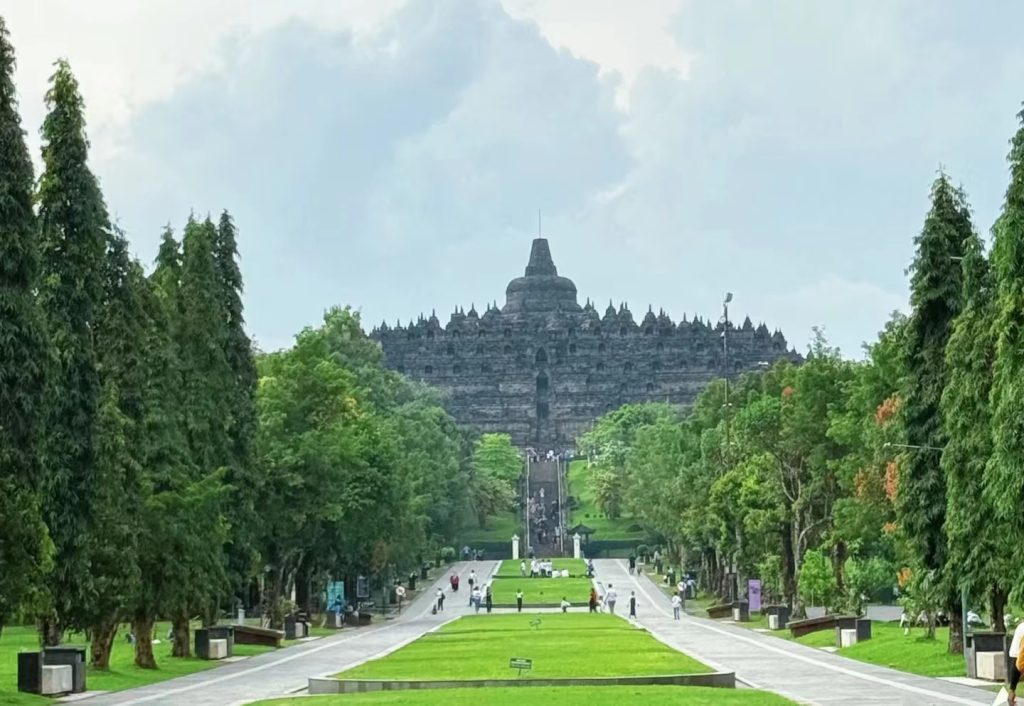
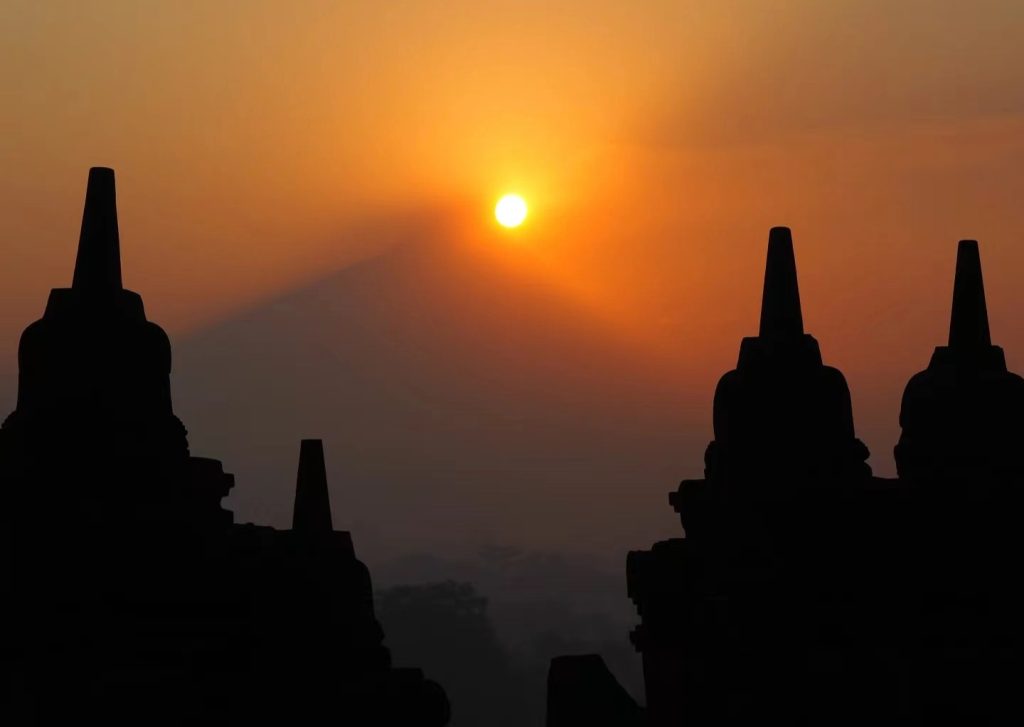
Built from volcanic stone, Borobudur is more than a temple—it’s a three-dimensional storybook carved in relief panels that depict ancient teachings, legends, and symbols. As the first sunlight touched the upper terraces, the Buddha statues seemed to glow softly in the changing light. This wasn’t a postcard moment. It was quiet, humbling, and deeply human—one of those travel experiences that stays with you long after the photos fade.
Prambanan Temple: Stone Stories at Sunset
Later that day, I visited Prambanan, located not far from Borobudur but spiritually different in tone. While Borobudur is Buddhist, Prambanan is a dramatic Hindu temple complex, known for its soaring spires and detailed stone carvings inspired by the Ramayana epic.
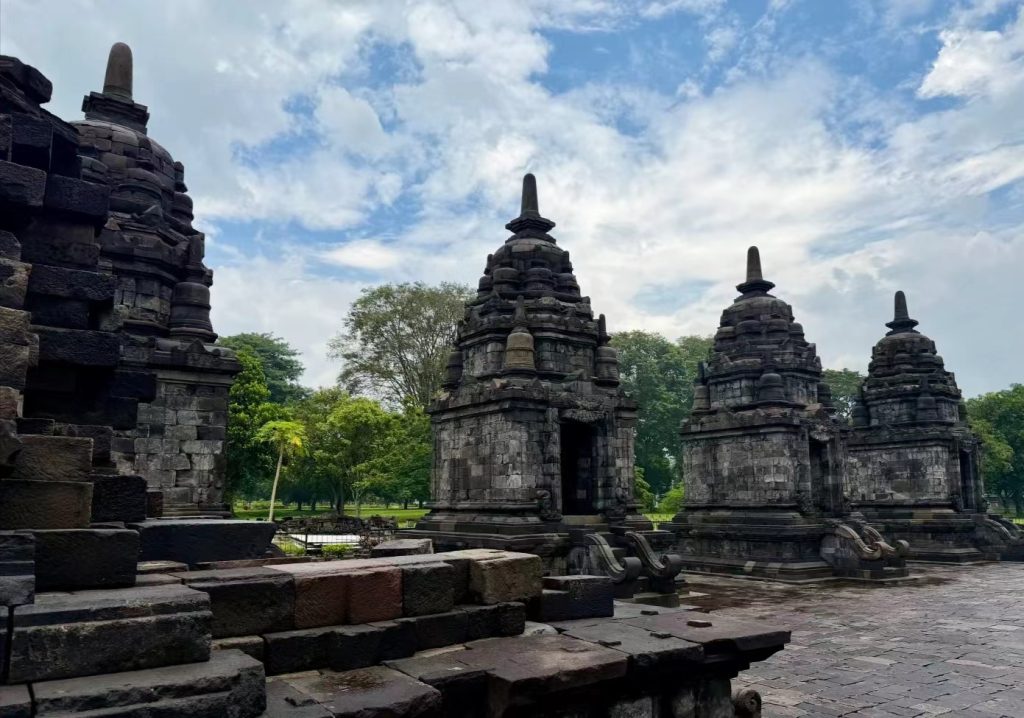
Walking slowly among the ruins, I imagined ancient ceremonies and chants echoing through the courtyards. Every stone felt intentional, as if it had something to say. As sunset arrived, warm orange light washed over the temples, turning the entire complex into a living sculpture. This is a place for slow exploration. Find a quiet corner, sit down, close your eyes, and let the wind and silence do the rest. For photographers, Prambanan is endlessly rewarding—from intricate carvings to wide-angle temple views.
Walking the City: Malioboro Street and Night Market Life
Back in the city center, I spent time along Malioboro Street, Jogja’s most famous thoroughfare and a living snapshot of local life. During the day, street vendors sell colorful batik fabrics, handmade crafts, and souvenirs. As evening sets in, cooler air arrives, food stalls roll out, and the street transforms into a lively mix of flavors, music, and motion.
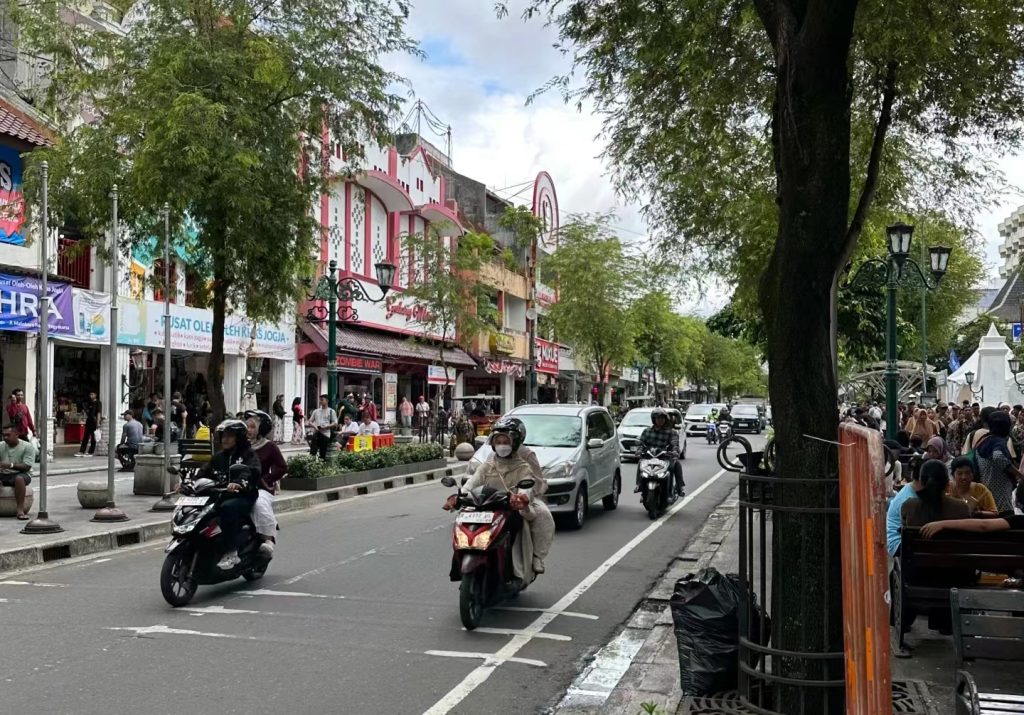
My favorite ritual? Grabbing a skewer of grilled satay or a sweet Indonesian snack and strolling slowly as the lights come on and scooters pass by. Despite the energy, the atmosphere feels relaxed. Tourist areas here are generally safe and welcoming, making it easy to enjoy the scene without stress.
Diving Deeper: Museums and Traditional Performances
If cultural depth is what you’re after, Yogyakarta delivers. The Ullen Sentalu Museum offers a thoughtful introduction to Javanese royal history, philosophy, and aesthetics. It’s not flashy—but it’s insightful, helping you understand the values and inner life of the region.
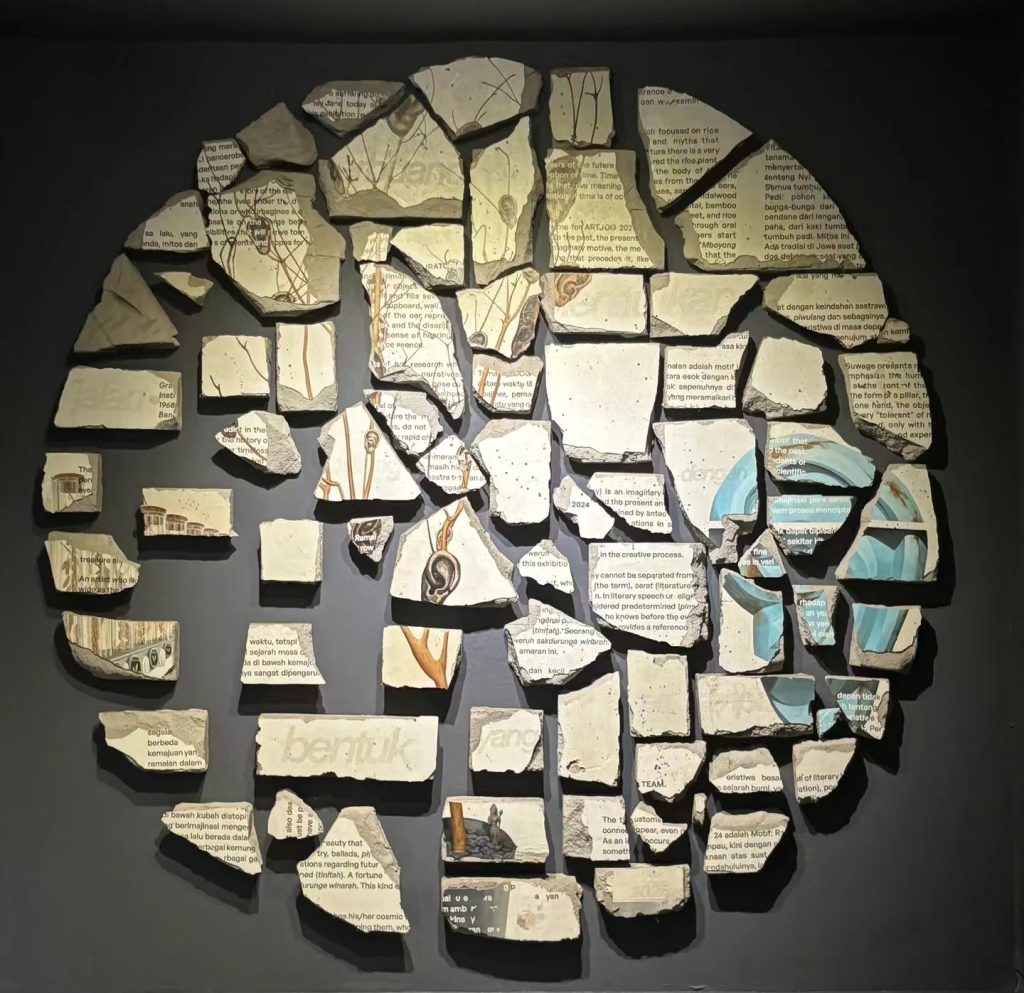
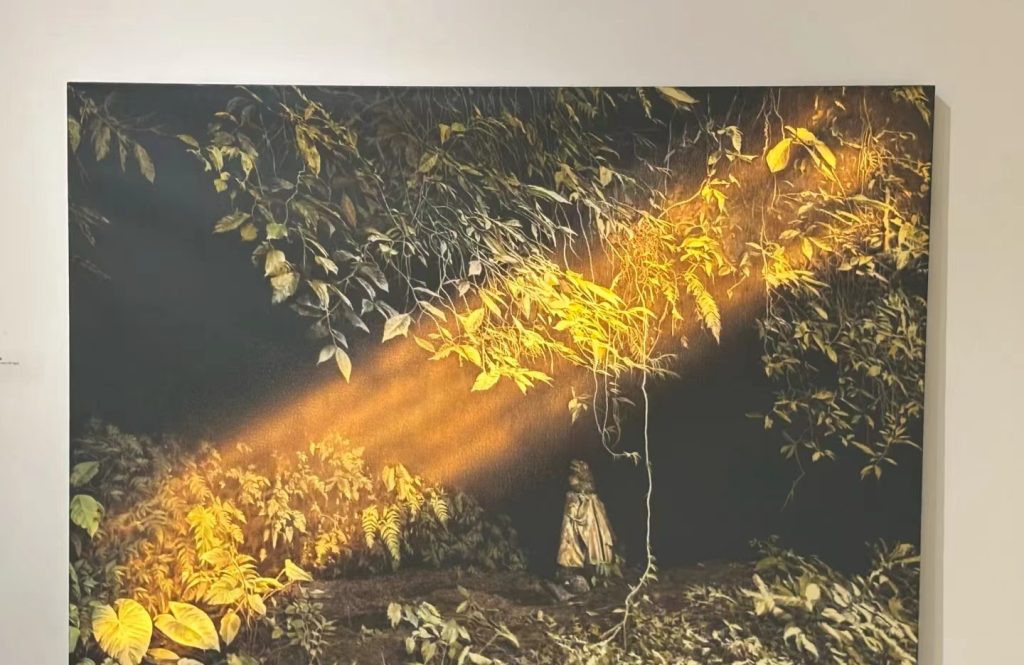
At night, I watched a traditional Ramayana ballet (Wayang Wong). With live gamelan music, expressive dancers, and epic storytelling, the performance felt intimate rather than theatrical. It wasn’t just something to watch—it felt like sharing a cultural memory with the people around me.
Beyond the City: Volcano Views and Coffee Time
Adventure seekers will find plenty to do beyond the city. Mount Merapi, one of Indonesia’s most active volcanoes, sits nearby and can be explored through guided tours, hikes, or jeep excursions. While the volcano is closely monitored, Yogyakarta itself is generally safe unless official alerts are issued.
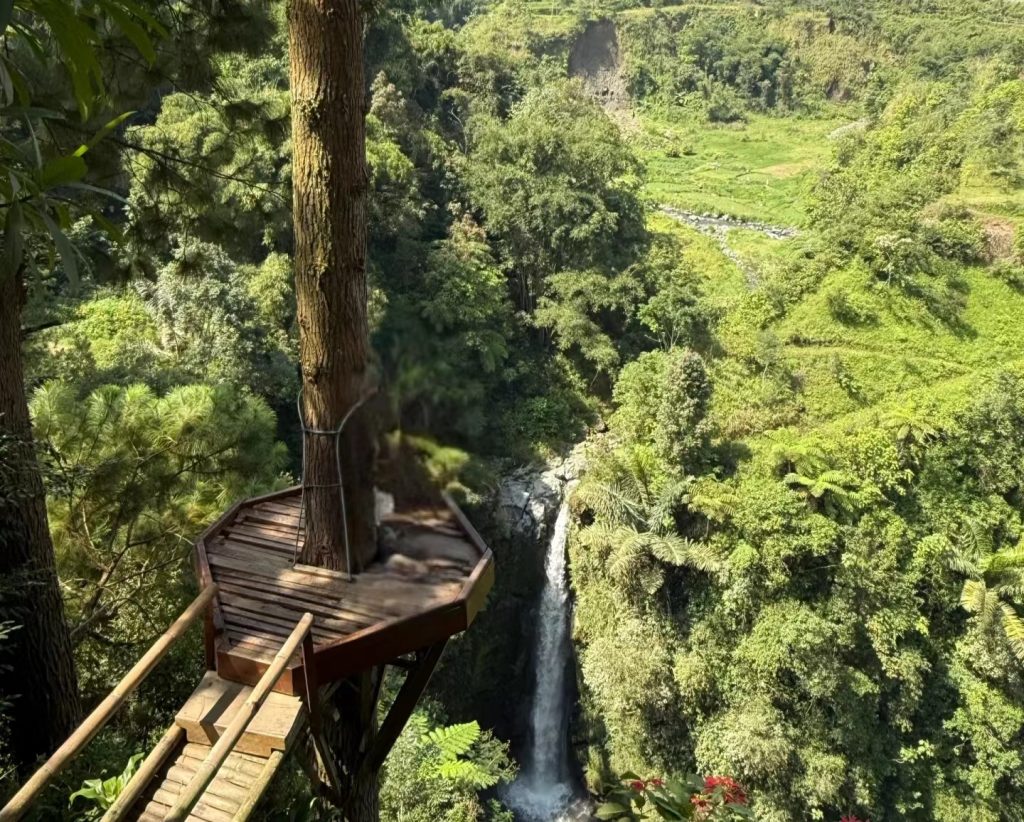
After a day of exploration, I loved unwinding at a café overlooking green hills, temples, or distant volcanic landscapes—sipping rich Indonesian coffee and letting time slow down. These quiet moments often became the most memorable part of the trip.
Yogyakarta doesn’t try to impress with luxury or spectacle. Instead, it reveals itself through details—morning light on stone, evening prayers in the distance, street food shared with strangers. From Borobudur at dawn to Prambanan at dusk, from busy streets to quiet museums, every layer of the city feels meaningful.
For Western travelers, whether you’re traveling independently or on a guided tour, Jogja is easy to navigate, culturally rich, and refreshingly authentic. English is commonly spoken in tourist areas, and locals are known for their warmth and hospitality. If you’re looking for a destination in Indonesia that feels grounded, cultural, and deeply human, Yogyakarta may surprise you—in the best possible way.